



Buying Guide
Solid-Nose vs. Sprocket-Nose Chainsaw Bars
Compare fixed and rotating guide-bar tips, see why two 24-inch bars can need different chains, and check the part number before buying.
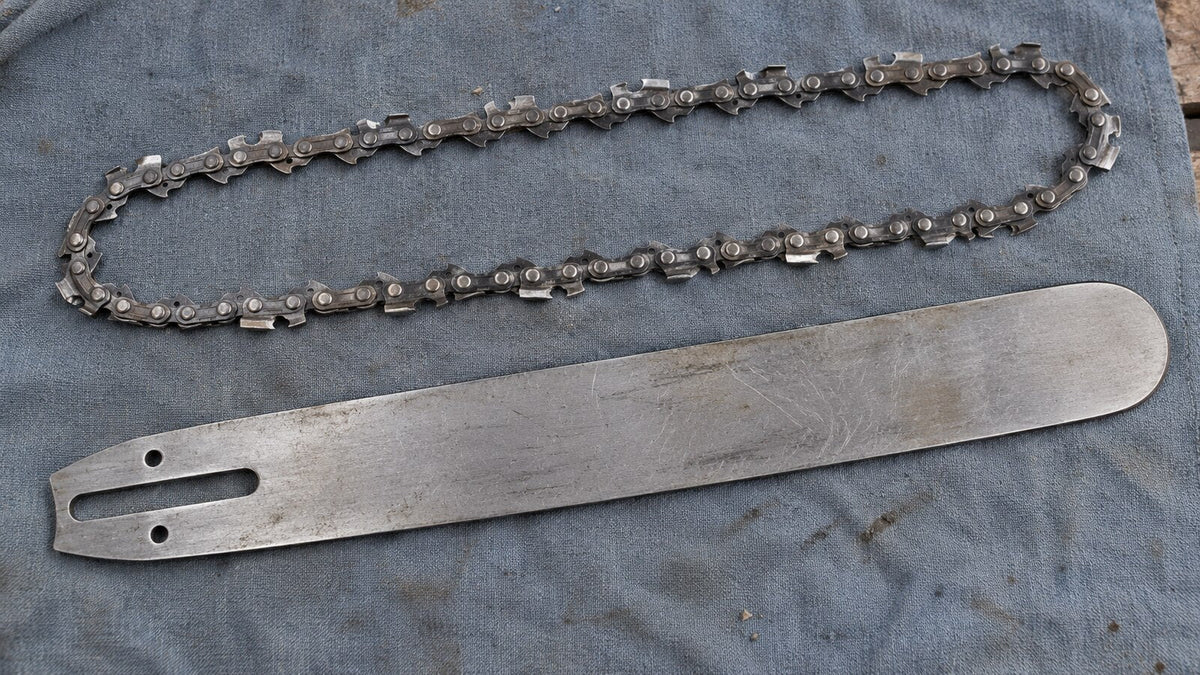
A solid-nose chainsaw bar guides the chain around a fixed tip. A sprocket-nose bar carries the chain around a rotating toothed wheel at the tip. Buy a bar that is approved for your exact saw and cutting setup. If both designs are documented options, compare the required chain, the tip’s intended use and the available service parts.
The nose design matters even when two bars have the same nominal length. It affects which parts you inspect, what you can order for service and which chain length the specific bar requires. The product number brings those details together.
What changes at the nose?
| Check | Solid nose | Sprocket nose |
|---|---|---|
| Chain path at the tip | The chain slides around a fixed wear surface. | A toothed wheel turns as the chain travels around the tip. |
| Part identification | Look for a hard-nose or solid-nose description tied to the bar number. | Look for the specified nose sprocket and check whether the assembly is listed as replaceable. |
| Tip inspection | Check the fixed tip and rails against the manufacturer’s condition criteria. | Include the nose wheel and its condition in the inspection. |
| Lubrication | Follow the saw’s bar-and-chain oil instructions. | Follow the same oil requirements and check the bar’s instructions for any separate bearing lubrication. |
The nose sprocket sits at the tip. The drive sprocket sits at the powerhead and drives the chain. A parts listing that says “sprocket” needs a location or part number before you can tell which component it refers to. Read the drive sprocket inspection guide.
Watch for the words solid body when shopping. They describe the construction of the bar body. Oregon’s PowerCut 240RNDD176 is a solid-body bar with a replaceable sprocket nose. To identify the tip, read the nose description in the specification for that part number. Oregon PowerCut 240RNDD176 specifications.
Two 24-inch bars that require different chain lengths
Oregon lists these two bars with a 24-inch nominal length, a .050-inch gauge and a D176 tail mount. The product pages give them different drive-link counts. These rows describe two catalog products. Check the fit guide and your saw’s approved cutting setup before choosing either one.
| Exact part number | Nose design | Listed drive links | Other catalog details |
|---|---|---|---|
| DuraCut 240ATMD176 | Fixed alloy nose, zero nose sprocket teeth listed | 84 | 24 in., .050 in., D176 |
| PowerCut 240RNDD176 | Replaceable 11-tooth sprocket nose | 81 | 24 in., .050 in., D176 |
If you are replacing a bar from this example, read the drive-link count on the page for the exact part you select. A spare loop for one row has a different count from the other row. Both rows still require confirmation of the pitch and chain family for your saw’s complete setup. The 81 and 84 counts apply to these specific parts. Oregon DuraCut 240ATMD176 specifications · Oregon PowerCut 240RNDD176 specifications.
How to choose a replacement guide bar
Start with the saw’s exact model and the bar part number. For a like-for-like purchase, verify the manufacturer’s current listing for that reference. If you are considering a different nose design, look for a documented fit for the saw, mount and complete cutting setup. Compare the bar length, groove gauge and required chain family and drive-link count. Confirm that the chain pitch matches the drive system and, where present, the nose sprocket.
Once you have confirmed fit, compare service options. If you want a replaceable tip, look for a nose kit explicitly listed for that bar and check whether a servicing dealer can supply it. If you want a fixed nose for a particular job, compare the manufacturer’s intended use for that bar. Oregon describes its DuraCut example as a bar for demanding cutting conditions and identifies a wear-resistant alloy at the tip. That description belongs to the specific product. Oregon DuraCut product details.
Save the bar number, chain reference and drive-link count together. If a used saw has an unidentified bar, ask a servicing dealer to identify the fitted attachment before you use its chain as a buying reference. For a chain-only order, search with the verified pitch family, gauge and drive-link count. Find Your Chain.
Check the lubrication and service instructions for that bar
Both designs need the bar-and-chain lubrication specified for the saw. Keep the guide-bar groove and oil passages clear as directed. A sprocket nose also has a bearing arrangement, so check its separate instructions. STIHL’s guide-bar catalog describes closed nose bearings that require no relubrication. Use the directions for your own bar when deciding whether any separate nose lubrication applies. STIHL guide-bar catalog, PDF page 39.
During an inspection, follow the saw’s shutdown and power-isolation instructions. Husqvarna’s petrol chainsaw guide-bar guidance calls for replacing the bar if its nose wheel is loose. For a bar with a documented replaceable assembly, ask the manufacturer or servicing dealer whether the nose, rails and bar body meet the criteria for service. Husqvarna guide-bar inspection guidance · SawEdge guide-bar wear checks.
Frequently asked questions
Can every sprocket nose be replaced?
Replaceability depends on the exact bar. Look for an explicitly supported nose assembly and the service instructions for that part number. A qualified servicing dealer can confirm whether the rest of the bar remains suitable for service.
Does a solid-nose bar still need bar and chain oil?
Yes. The chain still travels through the bar groove and around the fixed tip. Use the oil and lubrication checks specified by the saw manufacturer.
Can I keep my chain if I change from a sprocket nose to a solid nose?
Check the approved configuration and the chain required by the exact replacement bar. Reuse is an option only when the chain is serviceable and its full specification and design meet that configuration. A shared nominal bar length leaves the drive-link count to be verified.
